David Butler · 15 October 2026
Anvyl Alloy Developments Draw Regulatory Attention Over Disposal Methods as Automation Investments and Regional Hiring Patterns Shift
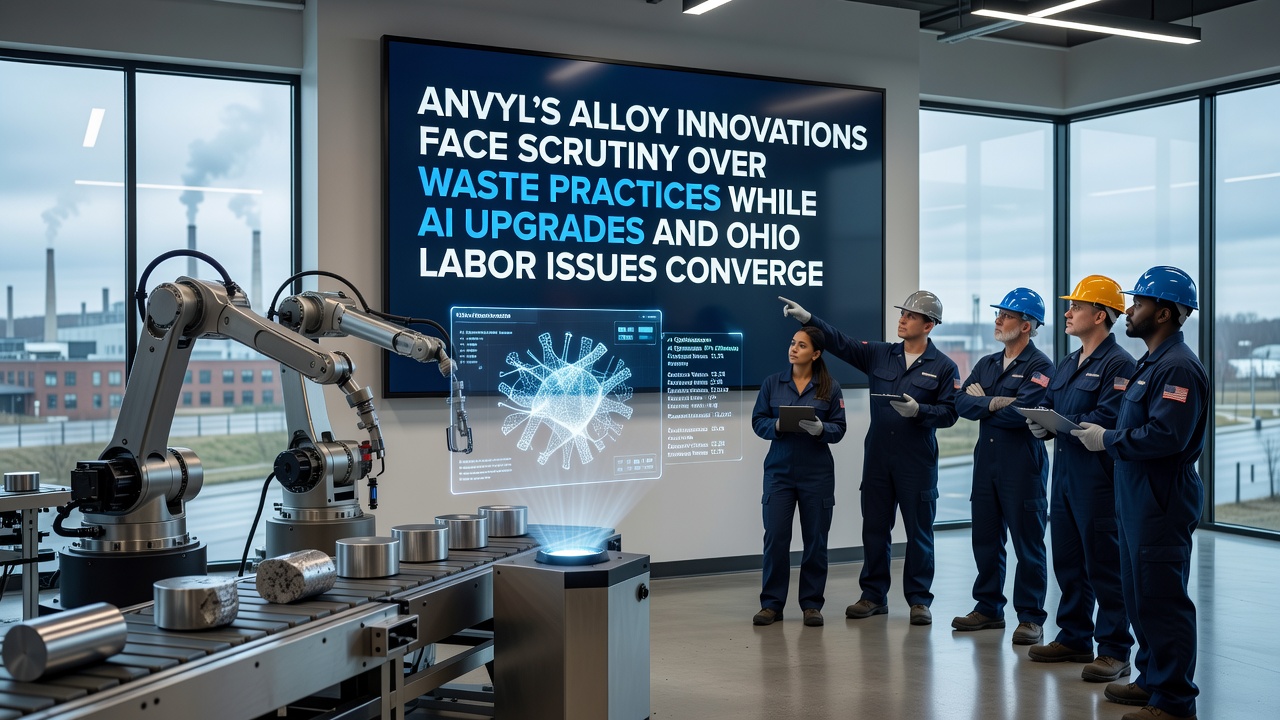
Reports from October 2026 indicate that Anvyl has expanded its alloy product lines with new formulations designed for higher durability in industrial applications, yet these innovations coincide with increased examination of the company's waste handling procedures at multiple sites.
State environmental records show that inspectors visited Anvyl operations in Ohio during late summer 2026, documenting residues from alloy processing that require further classification under current hazardous material guidelines. The company has responded by submitting updated compliance documentation to the Ohio Environmental Protection Agency, which outlines adjustments to filtration systems and storage protocols.
Production Changes and Oversight Developments
Alloy innovations at Anvyl involve modifications to metal compositions that reduce corrosion rates in high-temperature environments, according to technical specifications released by the firm earlier this year. These changes, however, generate additional byproduct streams that demand specialized disposal routes, and regulators have requested detailed material safety data sheets for verification. Data from the U.S. Environmental Protection Agency's industrial waste tracking system reveals that similar facilities across the Midwest reported a 12 percent rise in alloy-related waste volumes between 2024 and 2026.
Observers note that Anvyl has implemented on-site treatment units intended to neutralize certain chemical components before off-site transport. Figures released by the company indicate that these units processed approximately 850 metric tons of material in the third quarter of 2026, though independent audits have yet to confirm long-term efficacy rates.
Integration of Digital Systems and Workforce Adjustments
Alongside production updates, Anvyl has introduced machine learning platforms to monitor furnace temperatures and material feed rates in real time. These systems draw from sensor arrays installed across three Ohio plants, allowing operators to adjust parameters based on predictive models rather than manual readings alone. Industry reports compiled by the National Association of Manufacturers highlight that comparable AI deployments in metal processing have reduced energy consumption by 8 to 15 percent in participating facilities.
Labor market data from the Ohio Department of Job and Family Services shows that metal fabrication employment in the region grew by 4 percent through September 2026, yet Anvyl facilities have posted openings for technicians skilled in both traditional metallurgy and data analytics. Recruitment efforts include partnerships with local technical colleges that provide certification programs focused on automated equipment maintenance.
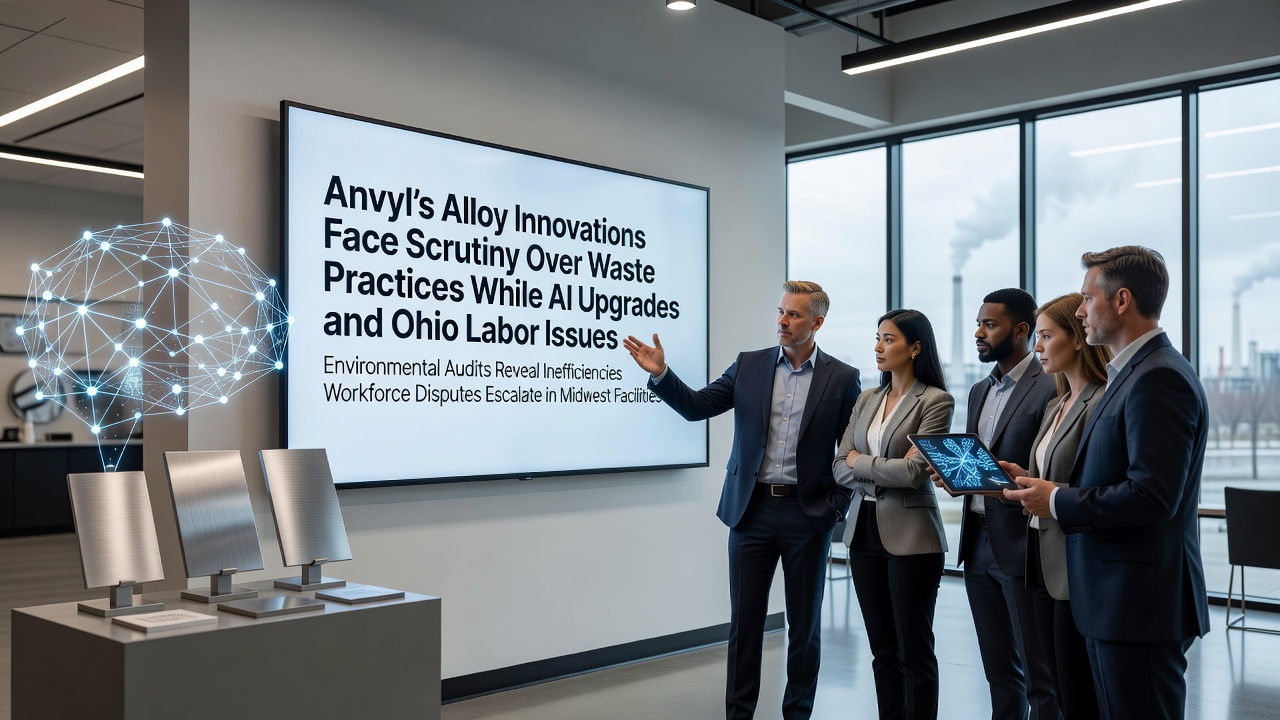
Training records indicate that 120 employees completed modules on the new AI interfaces by the end of October 2026, while hiring data lists 45 additional positions still open across maintenance and quality control roles. Regional workforce analyses suggest that competition for candidates with combined manufacturing and programming experience has increased, prompting some plants to extend shift differentials and tuition assistance benefits.
Broader Industry Context and Reporting Requirements
Environmental compliance filings submitted to the European Environment Agency by comparable alloy producers in the EU demonstrate parallel trends, where enhanced material performance specifications have prompted stricter byproduct categorization. Anvyl's documentation aligns with these patterns, incorporating cross-referenced testing from independent laboratories in Canada that measure leachate potential from alloy residues.
Supply chain updates from the Australian Steel Institute note that global demand for specialized alloys continues to rise, driving companies to refine both product formulations and waste mitigation strategies simultaneously. Anvyl has referenced these international benchmarks in its public sustainability summaries without claiming superior performance metrics.
Conclusion
Current records show that Anvyl continues to file monthly progress reports with Ohio regulators on waste classification upgrades while expanding its AI monitoring capabilities and addressing open technical positions. The convergence of these elements reflects standard operational adjustments observed across the metal fabrication sector during 2026.